Farmer Awareness and Agricultural Development Programmes
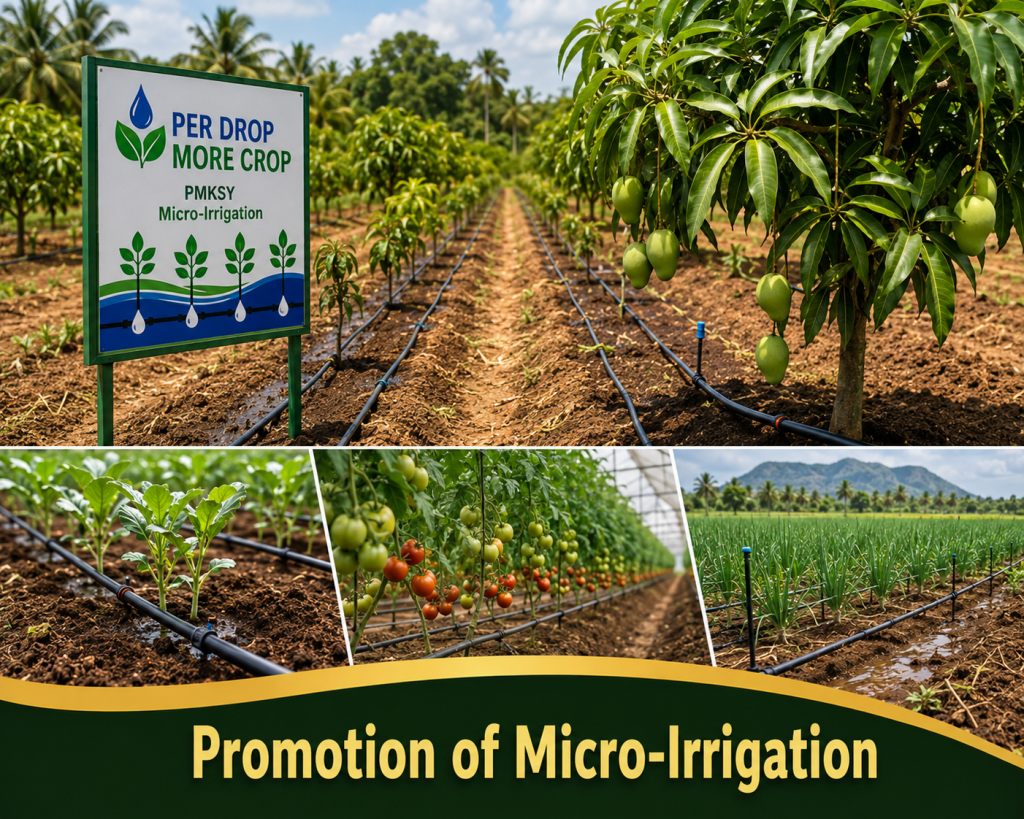
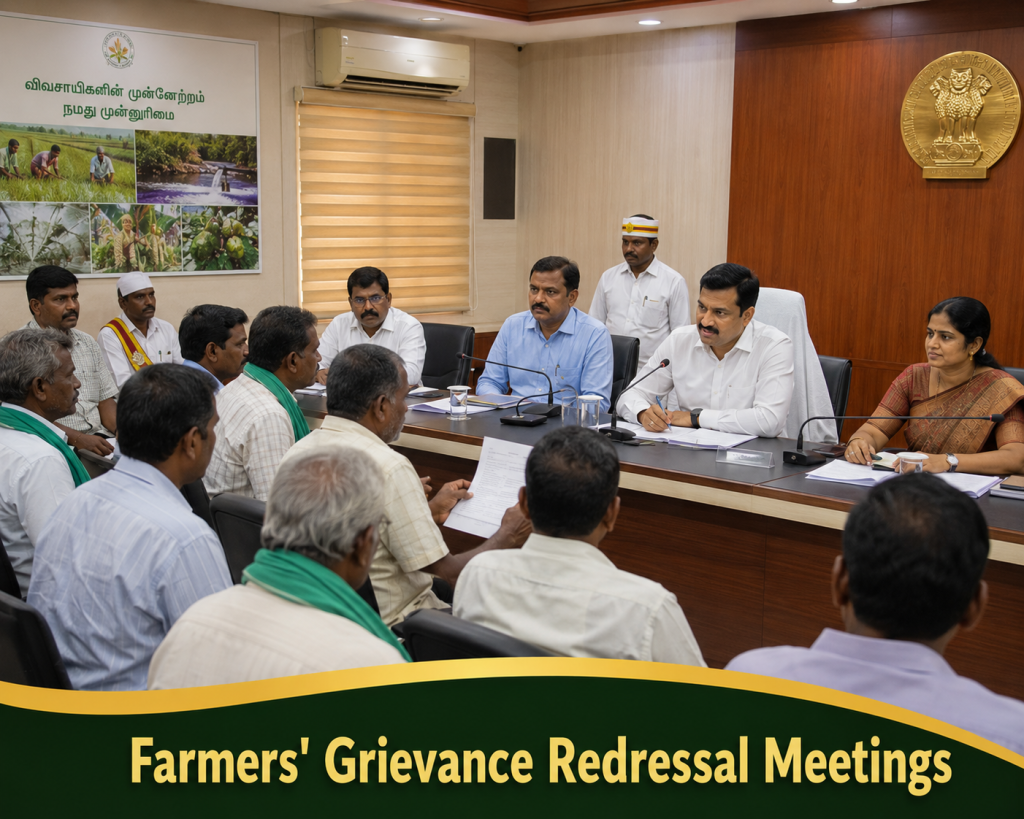
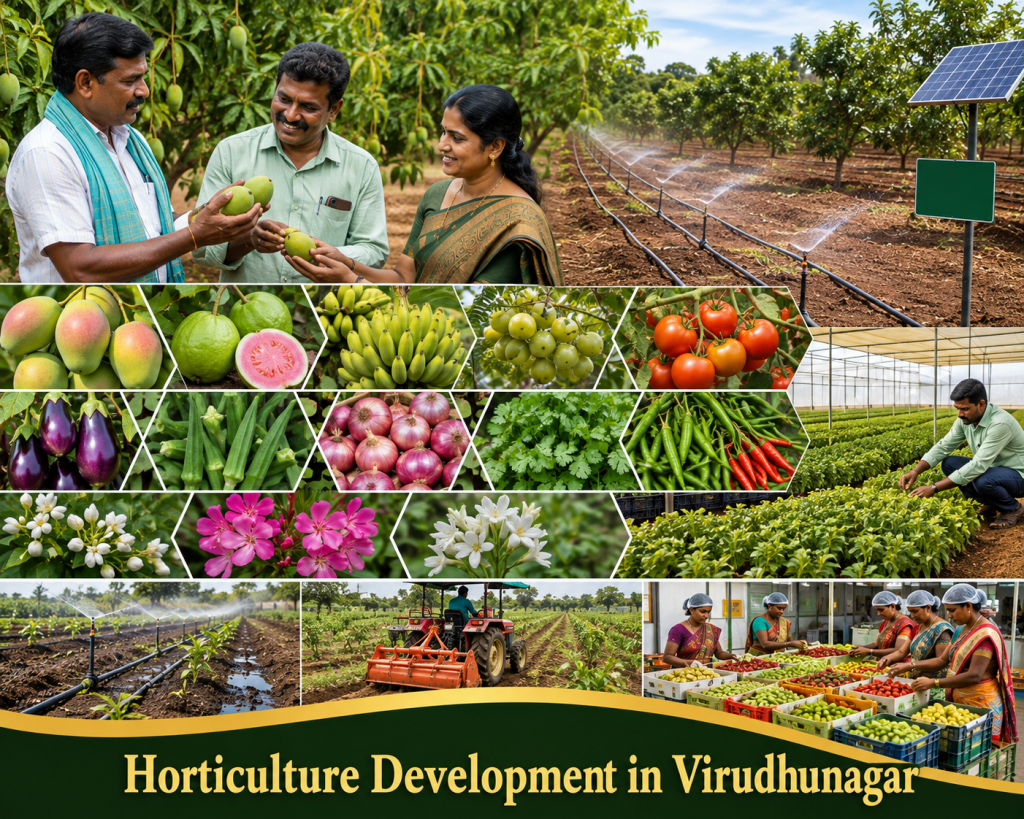
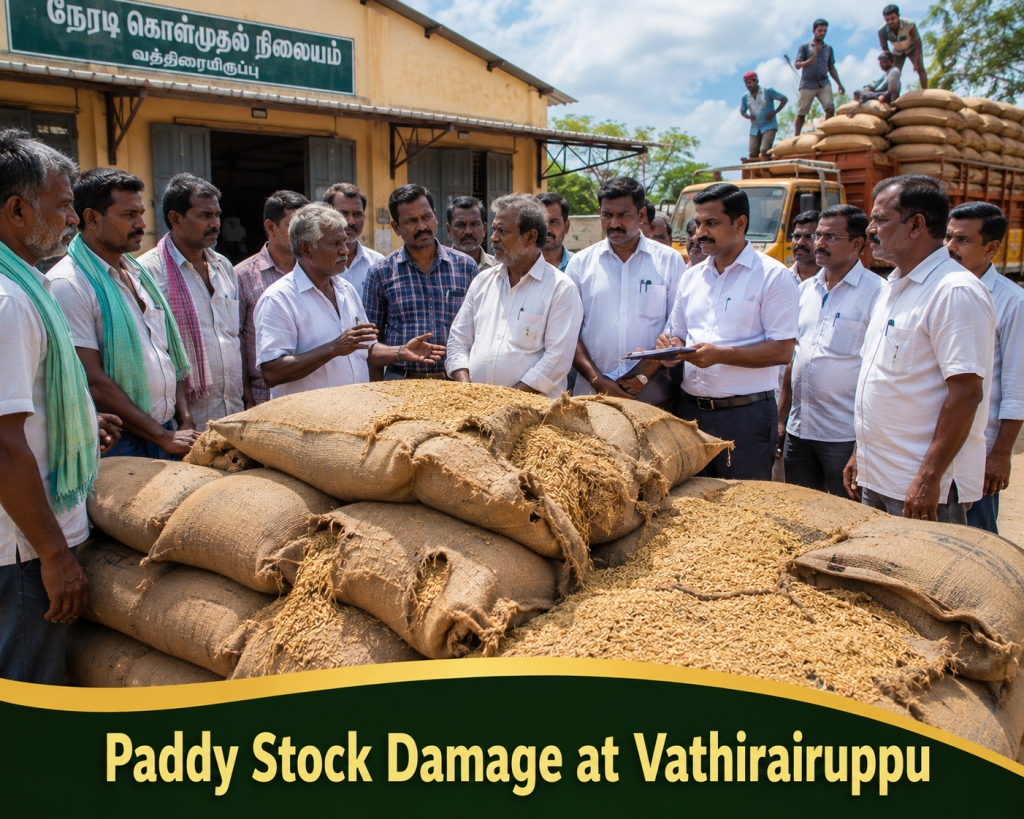
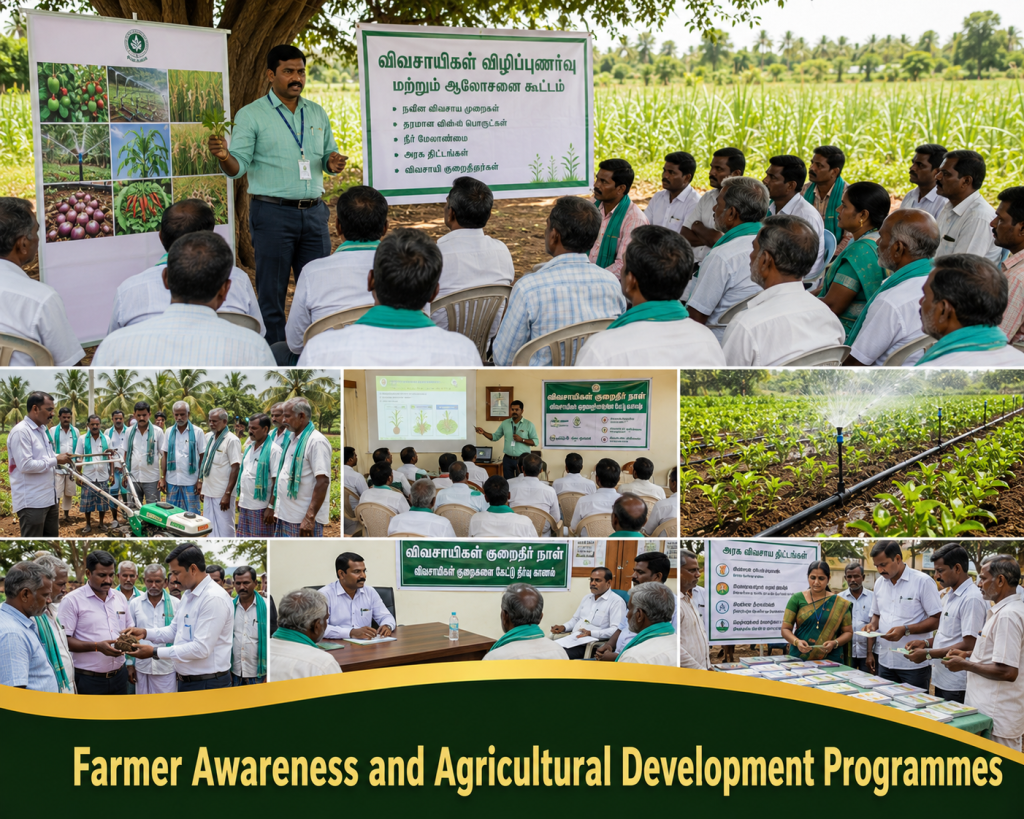
The Virudhunagar District Agriculture Department conducts farmer awareness programmes, training sessions, demonstrations and grievance meetings to help farmers improve production, adopt modern technologies and make better use of government agricultural schemes. These activities are particularly important in a district where farmers face challenges related to water availability, changing weather conditions, crop management, input costs, marketing and labour availability. 1. Farmer awareness programmes Awareness programmes are organised to explain the latest agricultural technologies and government support available to farmers. Farmers are provided information on: The objective is to ensure that farmers are aware of available technologies and schemes before making cultivation decisions. 2. Training programmes for farmers Training sessions provide farmers with practical knowledge rather than only distributing information. Agriculture officials and technical experts can demonstrate practices such as: Where appropriate, farmers can also learn through field demonstrations, allowing them to observe improved practices directly in agricultural fields. 3. Promotion of modern farming methods One of the important objectives is encouraging farmers to move from conventional practices toward scientific and technology-based agriculture. This includes promoting: Improved seeds → scientific crop management → efficient irrigation → mechanisation → better harvesting → improved marketing The intention is to increase productivity while making better use of land, water, labour and other agricultural inputs. 4. Efficient irrigation and water management Water management is particularly important for farmers in Virudhunagar. Awareness programmes promote technologies such as: The Agriculture and Horticulture Departments also promote the Per Drop More Crop component of PMKSY, under which eligible farmers can receive substantial subsidy assistance for micro-irrigation systems. Efficient irrigation can reduce water wastage while maintaining adequate moisture around the crop’s root zone. 5. Soil health and nutrient management Farmers are also encouraged to understand their soil before applying fertilisers. Training and advisory activities can cover: The objective is to avoid both under-application and excessive use of fertilisers. Proper nutrient management can improve crop growth and reduce unnecessary input expenditure. 6. Integrated pest and disease management Crop losses caused by insects and diseases can significantly affect farmers’ income. Awareness programmes help farmers identify: Farmers are encouraged to use pesticides carefully and only when necessary, rather than relying exclusively on chemical control. 7. Crop diversification Farmer-development programmes can also encourage crop diversification according to local soil, water availability and market conditions. In Virudhunagar, this is particularly relevant because the district produces a wide variety of: Diversification can reduce excessive dependence on a single crop and potentially provide farmers with additional income opportunities. 8. Awareness of government schemes An important function of farmer meetings is explaining the government schemes for which cultivators may be eligible. These can include assistance relating to: Officials can explain eligibility conditions, application procedures, required documents and subsidy provisions. This is important because farmers may otherwise miss benefits simply because they are unaware of the available programmes. 9. Crop insurance awareness Farmers are also encouraged to understand crop-insurance programmes such as the Pradhan Mantri Fasal Bima Yojana (PMFBY). Awareness activities can explain: Improving awareness is particularly important when crops are affected by adverse weather or other eligible risks. 10. Farm mechanisation Labour shortages and increasing agricultural labour costs have made mechanisation increasingly important. Training and demonstrations can introduce farmers to machinery for: Government subsidy programmes can also help eligible farmers access agricultural machinery and equipment at reduced cost. 11. Post-harvest management Increasing crop production is only one part of improving farm income. Farmers also need to minimise losses after harvesting. Awareness programmes therefore promote: Better post-harvest management can help maintain quality and improve the market value of agricultural produce. 12. Agricultural marketing awareness Farmers are increasingly being introduced to organised and digital marketing opportunities. Programmes can provide information about: This can help farmers make more informed decisions about when, where and how to sell their produce. 13. Farmer grievance meetings Awareness programmes are complemented by Agriculture Grievance Day meetings, where farmers can directly bring problems to government officials. Typical complaints may concern: These meetings provide a mechanism for forwarding complaints to the appropriate department and monitoring follow-up action. 14. Role of agricultural extension officials Agricultural extension staff serve as an important link between the government and farmers. They help communicate: Government schemes → technical information → field-level implementation → farmer feedback Officials can visit farms, provide technical advice, organise demonstrations and guide farmers through applications for eligible government programmes. 15. Encouraging sustainable agriculture The programmes also support the broader objective of making agriculture more sustainable. Farmers can be encouraged to adopt: The emphasis is on producing more while using natural resources more efficiently.